
What Is Glaucoma?
Glaucoma is one of the leading causes of irreversible blindness worldwide. It is a disease that damages the optic nerve, usually due to elevated pressure inside the eye (intraocular pressure). Because it often develops without noticeable symptoms, glaucoma is commonly called the “silent thief of sight.” By the time vision loss is detected, the disease may already be advanced.
Early detection and treatment are essential to preserve vision.
The Global and Local Impact of Glaucoma in Numbers
80 Million
Globally, glaucoma affects more than 80 million people, and this number is expected to exceed 110 million by 2040.
10%
It accounts for approximately 10% of all cases of blindness worldwide.
18-20,000
Closer to home, an estimated 18,000–20,000 people in Ireland and around 12,000 in Northern Ireland are living with glaucoma.
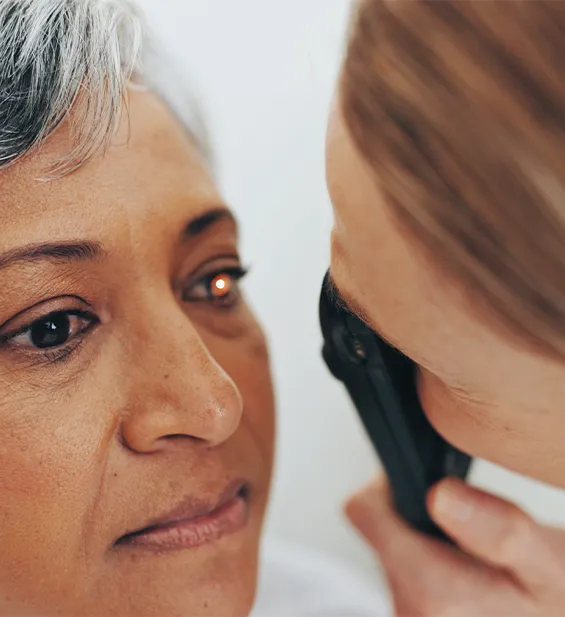
Who Is Most at Risk?
Anyone can develop glaucoma, but certain factors significantly increase risk:
- Family history – the strongest risk factor; first-degree relatives have a 4–9× higher risk
- Increasing age, especially over 60
- African or Asian ethnicity
- Elevated intraocular pressure (IOP)
- Thin corneas
- Medical conditions such as diabetes or high blood pressure
Because glaucoma can develop silently, people in higher-risk groups should have regular eye examinations even if their vision feels normal.
Symptoms of Glaucoma
In its early stages, glaucoma usually causes no symptoms. This is why around 50% of patients are unaware they have the condition at diagnosis.
As glaucoma progresses, symptoms may include:
- Gradual loss of peripheral (side) vision, often unnoticed at first
- Tunnel vision in advanced stages
- Halos around lights, particularly at night
- Blurred vision
- Eye pain or headaches
A sudden onset of severe eye pain, redness, blurred vision, halos, headache, or nausea may indicate acute angle-closure glaucoma, which is a medical emergency and requires immediate attention.

If you’re experiencing any of these symptoms, book an appointment with Veonet Ireland today:
When Should You Seek Medical Attention?
You should arrange an eye examination or referral to an ophthalmologist if:
- You have a family history of glaucoma
- Your eye pressure is elevated
- There is a significant pressure difference between the two eyes
- Changes are detected in the optic nerve
- Visual field testing shows new or worsening blind spots
- Your current glaucoma treatment is no longer controlling eye pressure effectively
Regular eye exams that include pressure checks, optic nerve assessment, and visual field testing are critical for early diagnosis and monitoring.
Treatment and Management of Glaucoma
Although glaucoma cannot be cured, it is highly manageable when detected early. Treatment focuses on lowering eye pressure to prevent further optic nerve damage.
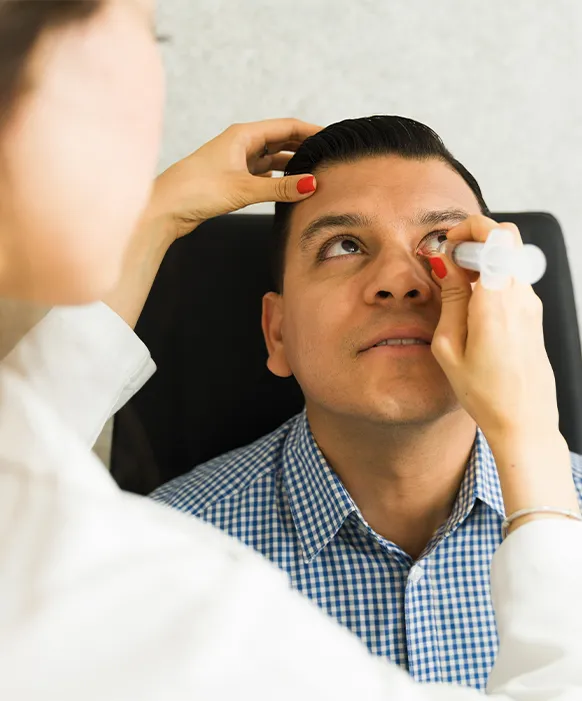
Eye Drops – Eye drops are the most common first-line treatment. They work by reducing fluid production in the eye or improving fluid drainage. When used consistently, they are very effective at slowing or stopping disease progression.
Laser Treatment – Laser therapy is a safe, minimally invasive option that improves fluid drainage or reduces fluid production. Commonly performed in the clinic, laser treatment can reduce or eliminate the need for drops in some patients.
Surgery – Surgical treatment is reserved for cases where drops and laser therapy are insufficient. Modern glaucoma surgeries—including minimally invasive glaucoma surgery (MIGS)—are highly effective and often performed as day procedures with relatively quick recovery.
Key Takeaways
Glaucoma is a lifelong condition, but with proper treatment and regular follow-up, most patients maintain good vision and quality of life. Adherence to prescribed treatment and ongoing monitoring are essential to prevent progression.
Glaucoma causes irreversible vision loss, but early detection saves sight. Regular eye examinations, especially for those at higher risk, combined with modern treatments, allow glaucoma to be detected early and managed effectively.
If you have concerns about glaucoma or a family history of the condition, scheduling a comprehensive eye examination with Veonet Ireland is the most important step you can take to protect your vision.
Visit our Glaucoma treatment page below:

Prateek Agarwal
Consultant Ophthalmologist
Veonet Ireland Belfast