


What is Dry Eye?
50%
of people over the age of 60 experience symptoms to some degree.

What are the symptoms to look out for?
Dry eye symptoms can range from mild to severe and often fluctuate throughout the day. These symptoms can interfere with everyday activities such as reading, driving, and extended screen use.
Book an appointment with Veonet Ireland if you notice any of the following:
When do you need to see a GP or optometrist?
Start your clear vision journey
Get in touch by phone or fill in the form below.
Restoring your vision is closer than you think!
We’re here to help
Dry eye is treated based on its cause and severity, using a combination of eye drops, lid therapies, medications, and specialist treatments.
Artificial tears help relieve symptoms, but many patients need additional treatments to address inflammation or blocked oil glands.
Lid hygiene, warm compresses, omega-3 supplements, and advanced treatments performed by an eye specialist help restore healthy oil flow.
Prescription drops are used when inflammation is present or when symptoms persist despite regular use of lubricating drops.
Punctal plugs reduce tear drainage and help keep the eyes moist, especially in people who don’t produce enough natural tears.
Yes. Dry eye is often chronic, but with personalised treatment and regular follow-up, long-term relief is achievable.
Your Dry Eye treatment pathway
Below is an overview of a typical patient journey for dry eye treatments. Our team works closely with your GP or optometrist to ensure you receive the highest standard of care, tailored treatment, and the best possible outcomes.
-
Comprehensive eye test & pre-assessment
At your first visit, you’ll have a detailed eye examination and diagnostic tests to assess tear film quality, gland function, and ocular surface health. This helps your specialist tailor a treatment plan specific to your needs.
-
Treatment plan
Depending on the cause and severity, treatment may include lubricants or anti-inflammatory eye drops, along with close monitoring to determine whether escalation to more invasive procedures is required.
-
Follow-up
You’ll have a review appointment to monitor progress and adjust your treatment plan as needed, ensuring your eyes remain comfortable and healthy.
-
Routine care
Once your symptoms are stable, your GP or optometrist will continue your regular eye care, with your treatment summary shared for continuity.
Are you a GP or optometrist looking to make a referral?
Receive the most up to date news regarding the latest innovations and stories in ophthalmology.
Some of our world-class consultants
Our Team, some of Europe’s leading eye consultants, are now available for Dry Eye treatments.

Consultant Ophthalmologist | Specialist in Vitreoretinal and Cataract Surgery
Dr Mireia Roca Cabau, MD, PhD, is a Consultant Ophthalmologist at Veonet Ireland, specialising in vitreoretinal and cataract surgery. She earned her medical degree from the University of Lleida, Spain, and completed her Ophthalmology residency at Hospital Universitario La Paz in Madrid. Following her specialist training, Dr Roca Cabau pursued advanced vitreoretinal fellowships at Guy’s and St Thomas’ NHS Foundation Trust and Moorfields Eye Hospital in London—two of the most prestigious ophthalmic centres in the UK. During this time, she gained extensive experience in complex retinal procedures, including macular surgery, scleral buckling, and paediatric retinal interventions.
In addition to her clinical practice in Ireland, Dr Roca Cabau is deeply committed to global eye health. She collaborates with La Clinique des Yeux in Dakar, Senegal, where she helped establish the Retina Department and continues to train local ophthalmologists in cataract and retinal surgery. Her work there reflects her dedication to advancing ophthalmic care and education in underserved regions.
Dr Roca Cabau holds a PhD with Cum Laude distinction from the Universidad Autónoma de Madrid for her research on innovative treatments for intraocular retinoblastoma. She has also contributed to multiple clinical trials focused on retinal diseases, furthering the development of new therapeutic approaches.
Fluent in Catalan, Spanish, English, and French, Dr Roca Cabau combines her international expertise with a patient-centred approach, delivering the highest standards of care and advancing excellence in ophthalmology.

Ms Desislava Andreeva, MD, is a Consultant Ophthalmic Surgeon with extensive experience across both public and private healthcare systems in Ireland and the UK. She currently holds Consultant positions at Vista Eye Clinic in Dublin and Naas, as well as at EyeDoc Eye Clinics in Dublin.
Ms Andreeva obtained her Doctor of Medicine degree from the Medical University of Sofia in 2013. She went on to complete her specialist surgical training in Ophthalmology, achieving her Certificate of Completion of Specialist Training (CCST) in Surgical Ophthalmology in 2019.
Following her training, she worked as a Consultant Ophthalmologist in the UK before relocating to Ireland in 2022, where she continues to provide high-quality, patient-focused eye care.
Ms Andreeva is fully registered with both the Irish Medical Council and the UK General Medical Council.

Prateek Agarwal is a highly experienced Substantive Consultant at University Hospitals of Morecambe Bay NHS Trust. With a remarkable record of performing over 1500 eye surgeries per year, he has developed a special interest in cornea and refractive surgery.
An accomplished academic, Dr. Agarwal serves as a lecturer, examiner, and tutor, and has authored 25 publications in peer-reviewed journals. He is a sought-after speaker, regularly presenting at prestigious national and international congresses on cataract and refractive surgery.
As the Chief Educational Supervisor for trainees at the trust, he guides the next generation of Ophthalmologists. He also serves as an examiner for the Royal College of Ophthalmologists and the Laser Refractive Surgery assessment process. With his dedication to clinical excellence, education, and research, Dr. Agarwal is committed to delivering the highest standard of care to his patients.

Mr Saad is a leading Ophthalmologist and Vitreoretinal surgeon, who specialises in cataract surgery, lens replacement surgery and retinal surgery alongside macular hole, uveitis and epiretinal membrane. His NHS base is South Tees Hospitals NHS Foundation Trust.
Highly qualified, with an MBBCh, MSc and MD from Zagazig University in Zagazig, Egypt, and multiple fellowships. These include an FICOphth, an MRCSEd, an FRCSGlas and an FRCSEd, an FRCOpth, and CrtLRS.
He completed his higher retinal sub-specialty training through two fellowships in medical retina and uveitis, and vitreoretinal surgery, at Bristol Eye Hospital.

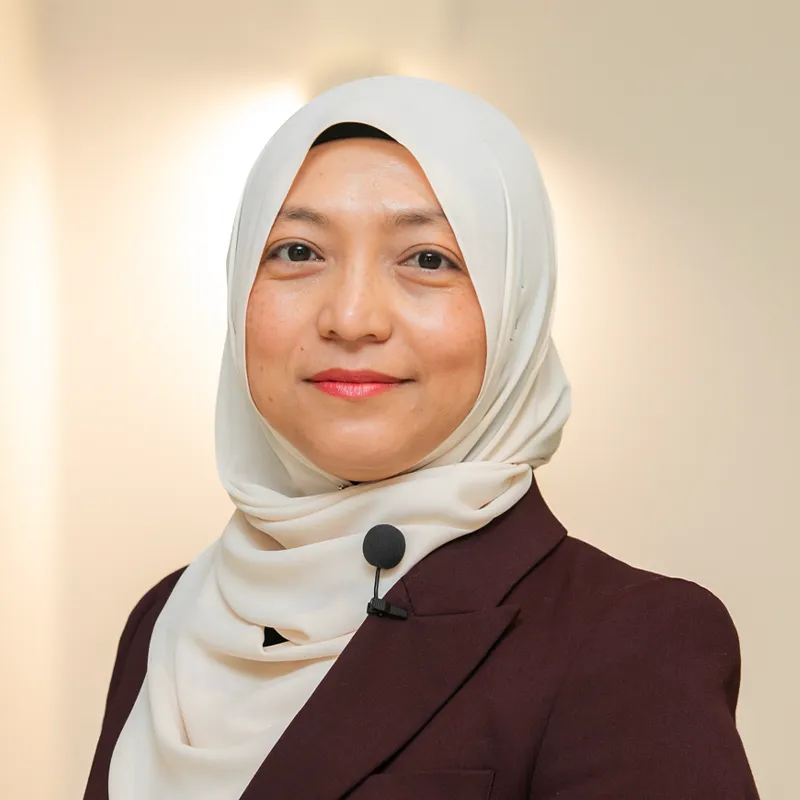
Farah Ibrahim is a Consultant Ophthalmologist, specialising in Diabetic Eye Disease (Medical Retina).
She obtained her medical degree from the University of Leicester, UK, and completed her ophthalmology training in the Republic of Ireland. With eight years of clinical experience at the National Diabetic Treatment Clinic within the Royal Victoria Eye & Ear Hospital in Dublin, she subsequently served as a Medical Retina specialist at the Institute of Eye Surgery/UPMC Kildare Hospital.
Throughout her career, she has successfully established multidisciplinary teams in a variety of settings, including the Diabetic Treatment Clinic, the Institute of Eye Surgery clinic in Athlone, and the Community Paediatric Ophthalmology Team at Ballincollig Primary Care Centre in Cork, where she served as the lead clinician.
Currently, Ibrahim is a member of both the Royal College of Ophthalmologists UK and the Irish College of Ophthalmologists.
Dry Eye treatment available at the following clinics


Dublin Carrickmines
Veonet Ireland Dublin Carrickmines, 3rd Floor, The Herbert Building, The Park, Carrickmines, Dublin 18, D18 K8Y4Visit location
×
Punctual Plugs
Punctal plugs are tiny, biocompatible devices inserted into the tear drainage ducts (puncta) of the eyelids to help retain tears on the eye surface for longer. They are used to treat moderate to severe dry eye disease, especially when artificial tears and other treatments don’t provide enough relief.
How they work:
Tears normally drain from the eye through small openings (puncta) in the upper and lower eyelids into the nose.
By partially or completely blocking these openings, punctal plugs slow tear drainage, keeping the eyes moist for a longer period.
Types of punctal plugs:
Temporary (dissolvable) plugs: Made from materials like collagen; they dissolve naturally over days or weeks. Often used to test whether permanent plugs will be effective.
Permanent (silicone or acrylic) plugs: Designed for long-term use; can be easily inserted and removed in the clinic if needed.
Benefits:
- Increases tear film stability and comfort
- Reduces the need for frequent artificial tear use
- Helps relieve symptoms such as burning, grittiness, and redness
Procedure:
Insertion is quick, painless, and performed in the clinic without anaesthesia. The ophthalmologist places the plug into the punctum using fine forceps or an applicator.
When used:
Punctal plugs are recommended for patients with aqueous-deficient dry eye, particularly when inflammation is controlled and tear production remains low despite other treatments.
Still have questions?
We’re here to help. Send us a message and
we’ll get back to you as soon as possible within
clinic opening hours.
Opening Hours:
Monday to Friday 07:30 – 17:30
Prefer email?
If you prefer not to complete the online forms or call, you can reach us directly using the group email addresses listed below. A member of our team will then get in touch with you through your preferred method of communication.