
Dry Eye Treatment
Dry Eye Disease Is one of the most common eye conditions worldwide. Achieve meaningful, lasting relief with help from Veonet Ireland’s world-class team.
Dry Eye Disease occurs when the eyes do not produce enough tears, or when the tears evaporate too quickly. The surface of the eye is protected by a delicate tear film made up of three layers: an oily layer, a watery layer, and a mucous layer. The oily layer-produced by the meibomian glands in the eyelids-prevents tears from evaporating too rapidly, while the lacrimal gland produces the watery component.
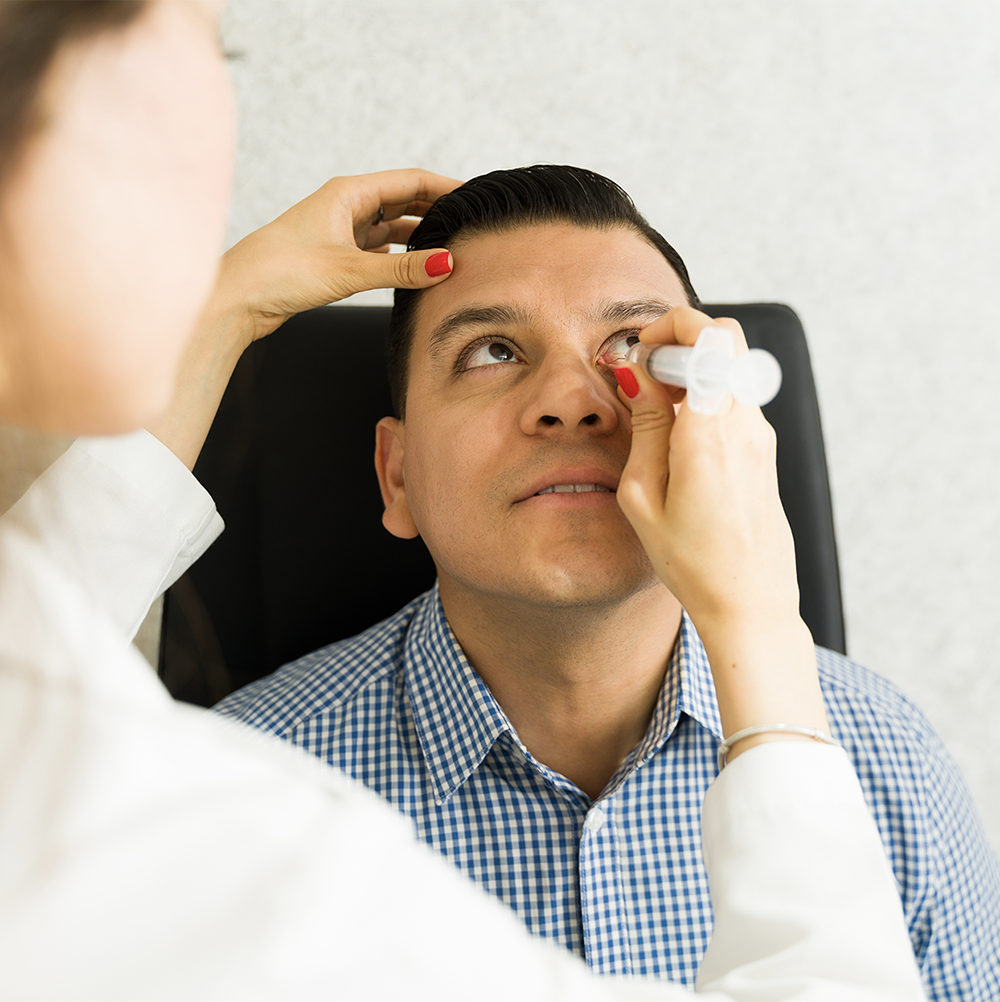
What are the symptoms to look out for?
Dry eye symptoms can range from mild to severe and often fluctuate throughout the day. These symptoms can interfere with everyday activities such as reading, driving, and extended screen use.
Frequently asked Dry Eye questions:
How is Dry Eye treated?
Dry eye is treated based on its cause and severity, using a combination of eye drops, lid therapies, medications, and specialist treatments.
Are artificial tears enough to treat Dry Eye?
Artificial tears help relieve symptoms, but many patients need additional treatments to address inflammation or blocked oil glands.78
What treatments improve oil gland function?
Lid hygiene, warm compresses, omega-3 supplements, and advanced treatments performed by an eye specialist help restore healthy oil flow.
When are prescription eye drops needed?
Prescription drops are used when inflammation is present or when symptoms persist despite regular use of lubricating drops.
What are punctual plugs and who needs them?
Punctal plugs reduce tear drainage and help keep the eyes moist, especially in people who don’t produce enough natural tears.
Is Dry Eye treatment long term?
Yes. Dry eye is often chronic, but with personalised treatment and regular follow-up, long-term relief is achievable.
Your Dry Eye treatment pathway
Below is an overview of a typical patient journey for dry eye treatments. Our team works closely with your GP or optometrist to ensure you receive the highest standard of care, tailored treatment, and the best possible outcomes.
1
Comprehensive eye test & pre-assessment.
At your first visit, you’ll have a detailed eye examination and diagnostic tests to assess tear film quality, gland function, and ocular surface health. This helps your specialist tailor a treatment plan specific to your needs.
Treatment plan
Depending on the cause and severity, treatment may include lubricants or anti-inflammatory eye drops, along with close monitoring to determine whether escalation to more invasive procedures is required.
Follow-up
You’ll have a review appointment to monitor progress and adjust your treatment plan as needed, ensuring your eyes remain comfortable and healthy.
Routine care
Once your symptoms are stable, your GP or optometrist will continue your regular eye care, with your treatment summary shared for continuity.
When do you need to see a GP or optometrist?
Make an appointment for an eye exam if you have injured your eye and notice any changes in your vision, or if you develop vision loss associated with sudden headache.
Dry Eye treatment available at the following clinics
Belfast
Health & Wellbeing Park, Kings Hall, Upper Lisburn Rd, Belfast BT9 6GW
Opening Hours: Mon to Fri, 7:30am – 5:30pm

Dublin Carrickmines
3rd Floor, The Herbert Building, The Park, Carrickmines, Dublin 18, D18 K8Y4.
Opening Hours: Mon to Fri, 8am-5pm

Cork
1st Floor, 2 Park Place, City Gate Mahon, Cork, T12DH0F.
Opening Hours: Mon to Fri, 9am – 5pm